




IEM vs AirPods: Which Offers Better Sound Quality?
IEM vs AirPods: Which Delivers Superior Audio Performance? Earbuds and IEMs have been dominating the market, but they do not come in one shape or sound. One of the most frequently asked questions:...

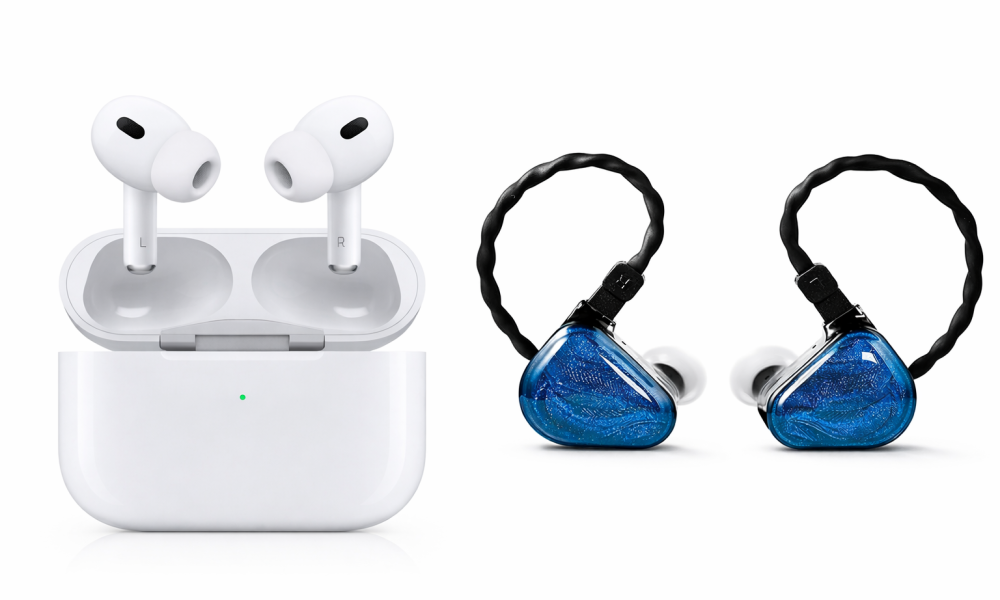
IEM vs AirPods: Which Delivers Superior Audio Performance?
Earbuds and IEMs have been dominating the market, but they do not come in one shape or sound. One of the most frequently asked questions: should you go for IEM or AirPods to get more sound quality? People have strong beliefs that either AirPods provide smooth listening pleasure due to Apple’s sound engineering or IEM provides more studio-quality sound.
Table Of Content
- IEM vs AirPods: Which Delivers Superior Audio Performance?
- Why IEMs Stand Out Compared to AirPods
- Limitations of IEMs When Compared to AirPods
- Understanding IEMs and AirPods
- In‑Ear Monitors (IEMs) Explained
- AirPods – Apple’s True Wireless Solution
- Breaking Down Sound Quality
- Detail Retrieval and Clarity
- Soundstage and Instrument Separation
- Bass, Mids, and Treble – Side‑by‑Side
- Bass Performance Comparison
- Midrange (Vocals & Dialogue) Comparison
- Treble Response Comparison
- Noise Isolation and Awareness
- IEMs – Strong Passive Noise Blocking
- AirPods – ANC and Transparency Features
- Fit and Comfort Comparison
- IEMs – Secure Fit but Requires Adjustment
- AirPods – Designed for Everyday Comfort
- Pricing, Features, and Ecosystem Comparison
- IEMs –BBest Value for Pure Audio Quality
- The wired IEMs available under ₹3,000 outperform the AirPods in terms of audio quality.
- AirPods – Feature Rich Premium Experience
- Best Choice for Music, Calls, and Gaming
- For Music Listening
- For Calls and Communication
- For Gaming Performance
- FAQ: IEM vs AirPods
- Q1: Which sounds better: IEMs or AirPods?
- Q2: Are IEMs worth it over AirPods Pro?
- Q3: Do I need special equipment to use IEMs?
- Q4: Can I use IEMs for calls and gaming?
- Q5: Why do IEMs feel more “expensive” than AirPods?
- Q6: Are budget IEMs better than AirPods Pro?
- Q7: Does AirPods spatial audio sound better than IEMs?
- Conclusion: IEMs or AirPods for Sound Quality?
Why IEMs Stand Out Compared to AirPods
- Improved detailing and resolution – Wired IEMs generally excel over AirPods when it comes to sound quality because there is no compression with Bluetooth. Nuances in cymbals, voices, and tails of reverberation are easily distinguishable.
- Bass accuracy and control – When you get an IEM with an excellent fit, you can enjoy well-controlled bass without feeling the muddiness associated with boosting the bass in AirPods.
- More effective noise isolation – IEMs rest in your ear canals, so you can isolate external sounds without using active noise cancellation features.
- Cheaper per unit of quality – Some wired earphones worth ₹3,000 can actually outperform wireless earbuds based only on their sound quality.
- Studio-grade sound stage – Multi-driver IEMs do a much better job separating different elements in songs.
If your priorities lie with sound rather than intelligent features, then IEMs have always been the way to go.
Limitations of IEMs When Compared to AirPods
- Less Convenient – IEMs wired need cables or dongles; even those that are wireless may not be as simple to use as AirPods.
- Less Smart – Few IEMs come with features like spatial audio, effective noise-cancellation features, or similar integration with Apple devices.
- Poor Call Quality & Mic – Many IEMs do not have a microphone at all or have basic ones; AirPods outdo them on calls.
- Fit & Comfort Learning Curve – Everyone cannot enjoy deep-fit ear-buds, which might cause discomfort after prolonged use.
- Lack of Ecosystem Benefits – There is no benefit of Find My, Siri, automatic switching of device, or spatial audio.
Understanding IEMs and AirPods
In‑Ear Monitors (IEMs) Explained
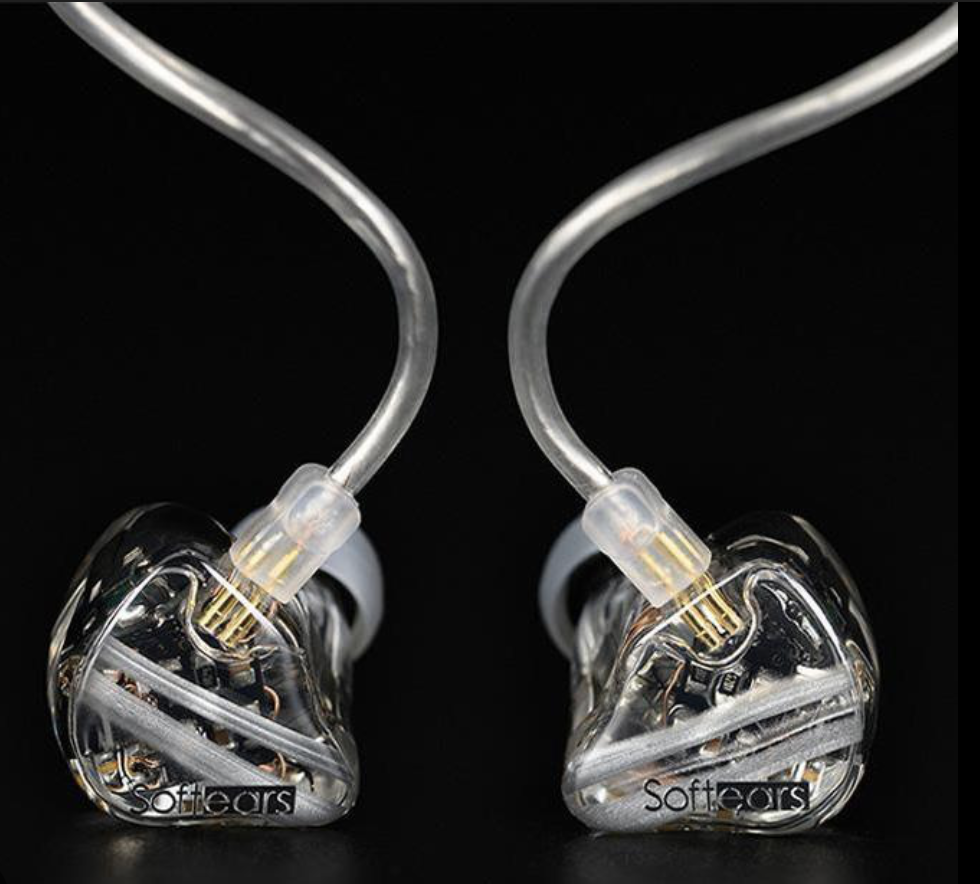
IEMs are small earphones worn in the ear canal and were initially made for musicians and sound technicians to check their audio recordings live. These earphones are currently popular among gamers and audiophiles and even regular people looking for high-quality sound output without using bulky headphones.
Features include:
- Either wired or wireless with a dongle attached.
- Use multiple drivers.
- Specialized for music listening.
AirPods – Apple’s True Wireless Solution
Read also : MacBook Neo Review: Is This the Future or Just an Illusion?
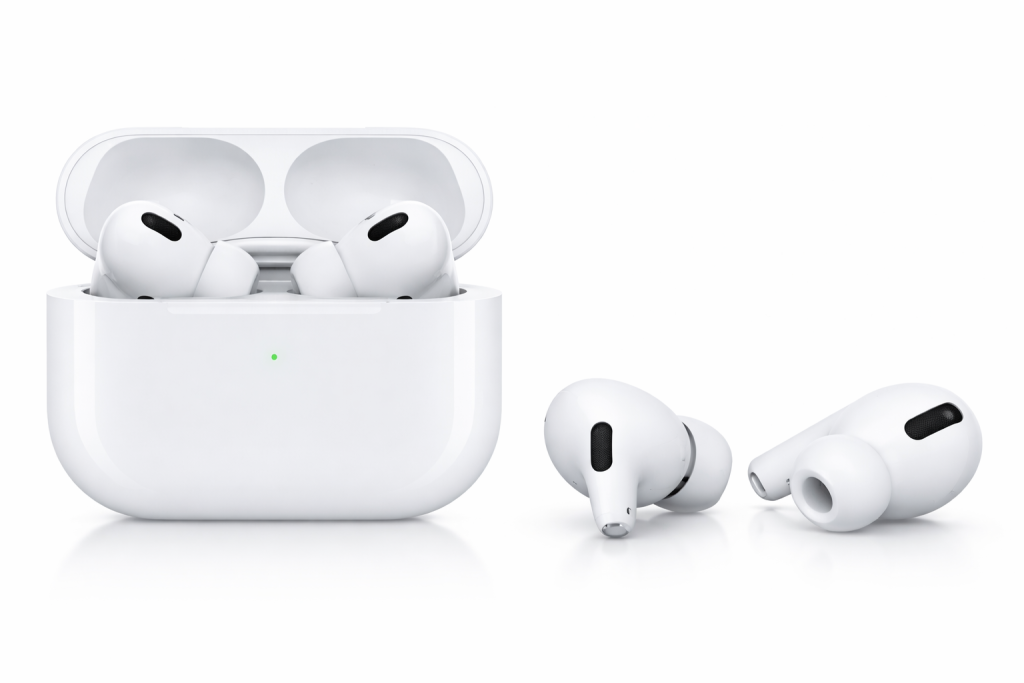
AirPods (also AirPods Pro) are true wireless earphones designed for Apple products. They focus more on vocal performance, phone calls, podcasts, and daily use than on high-fidelity sound.
Features include:
- Active noise reduction, transparency feature, spatial audio.
- Complete compatibility with iPhone, iPad, Mac.
- Better suited to blended content listening than hi-fi audio.
Breaking Down Sound Quality
Clarity of sound quality does not consist of just one aspect; rather, it includes a number of aspects such as detail, balance, sound staging, and isolation.
Detail Retrieval and Clarity
The in-ear monitoring headphones excel at providing finer details like guitar strings or ambient effects, while the AirPods headphones provide good sound quality since they soften all details through software and Bluetooth compression technology.
In contrast, wired headphones do not use any Bluetooth compression technology and, thus, can capture more detail of the actual sound track.
Soundstage and Instrument Separation
Conversely, IEMs could produce more of an “in-the-box” sound, yet with good tuning, they will provide greater separation of the instruments.
The AirPods will definitely produce a “spacious” sound due to the spatial audio that Apple is capable of processing through its products.
IEMs would make classical music and jazz sound “real,” whereas AirPods would make movies and pop music “cinematic.”
Bass, Mids, and Treble – Side‑by‑Side
Bass Performance Comparison
IEMs offer tighter, fuller bass with greater control. A proper seal enhances bass while preventing distortion, making them ideal for EDM, hip-hop, and video games.
AirPods feature enhanced bass for fun and pop tunes, creating an exciting yet less natural experience in certain genres.
Midrange (Vocals & Dialogue) Comparison
IEMs tend to provide a balanced and transparent listening experience when properly tuned.
AirPods are specifically engineered for podcasts and calls, ensuring that vocals remain punchy and easily distinguishable.
In terms of podcasts and phone calls, AirPods may seem more “polished.” On the other hand, for music-only purposes, neutral IEMs appear more authentic.
Treble Response Comparison
IEMs frequently accentuate treble, offering higher levels of clarity and transparency but potentially sounding too bright on budget-friendly units.
AirPods smooth out treble to reduce fatigue, a preferred trait among casual listeners.
Those who dislike “sibilant” vocals may appreciate AirPods’ tonality better.
Noise Isolation and Awareness
IEMs – Strong Passive Noise Blocking
Strengths: With proper tips, an IEM will isolate about 20-30 dB of outside sound without any additional electronics. Ideal for late-night listening, commuting, and working.
Weaknesses: May be too isolating if you need to be aware of traffic, students, or coworkers around you.
AirPods – ANC and Transparency Features
- Strengths: AirPods Pro have both active noise cancellation and transparency modes that help balance isolation and awareness.
- Weaknesses: No active noise cancellation means poorer isolation compared to a well-fitting IEM.
Fit and Comfort Comparison
IEMs – Secure Fit but Requires Adjustment
- IEMs – Stable but Often Uncomfortable
- Most IEMs feel more stable in the ear, suitable for exercising or extended use if you manage to get a proper fit.
- There have been reports of ear-fatigue during extended listening sessions like multi-hour phone calls and studying.
AirPods – Designed for Everyday Comfort
- AirPods sit in your outer ear, making them feel lighter and less “sealed” compared to IEMs.
- More versatile use cases: calls, music, work.
- If you prioritize all-day comfort, AirPods come out ahead. If stability and isolation are what you seek, go for IEMs.
Pricing, Features, and Ecosystem Comparison
IEMs –BBest Value for Pure Audio Quality
The wired IEMs available under ₹3,000 outperform the AirPods in terms of audio quality.
- Lacks smart features such as ANC, spatial audio, and ecosystem benefits from Apple.
- Ideal for: Audiophiles who don’t care about call quality.
AirPods – Feature Rich Premium Experience
- Pricier than IEMs but comes packed with ANC, transparency, spatial audio, Siri integration, Find My, and automatic device switching.
- Offers excellent call and microphone quality for wireless earbuds.
- Ideal for: Apple users seeking an all-rounder option.
Best Choice for Music, Calls, and Gaming
For Music Listening
- The wired IEMs usually take the lead when it comes to sound quality, audio isolation, and details.
- The AirPods are superior for casual music listening and spatial audio experiences.
For Calls and Communication
- The AirPods continue to dominate the segment with advanced microphone technology and noise cancellation.
- There are some IEMs with basic microphones, but others don’t come with any.
For Gaming Performance
- The wired IEMs or low-latency Bluetooth adapters are preferred for competitive gaming due to their audio isolation and low latency.
- However, the AirPods are ideal for casual gaming on mobiles and PCs, except for latency-sensitive games.
FAQ: IEM vs AirPods
Q1: Which sounds better: IEMs or AirPods?
Answer:
Wireless IEMs generally excel over AirPods in terms of audio quality, details, and sound isolation. However, AirPods are perceived as having superior sound quality with Apple’s tuning and ANC technology. If your priority is music fidelity, go for IEMs; for all-around ease of use, AirPods are better.
Q2: Are IEMs worth it over AirPods Pro?
Answer:
Yes, especially when your primary goal is music fidelity over calls and ecosystem integration. Mid-range IEMs generally surpass AirPods in terms of audio quality, but you sacrifice ANC, transparence mode, and Apple software advantages. If you focus on music quality and have minimal device-to-device use, IEMs are worth investing in. If not, opt for AirPods Pro.
Q3: Do I need special equipment to use IEMs?
Answer:
IEMs with wired cables can plug directly into your mobile device. But if your phone doesn’t have a 3.5 mm port, you’ll need an adapter. Expensive IEMs will be more effective with a DAC/DAP, although that’s optional for general use.
Q4: Can I use IEMs for calls and gaming?
Answer:
Yes, call quality varies depending on the specific IEM. Some IEMs come equipped with basic microphones, while others use your smartphone’s microphone. Gaming-wise, wired or dongle IEMs that minimize latency work fantastically. AirPods remain superior for casual-mixed usage and mobility.
Q5: Why do IEMs feel more “expensive” than AirPods?
Answer:
The primary difference is functionality. IEMs prioritize audio performance and design quality, whereas AirPods have more to offer regarding technology. The use of more robust materials and better drivers can explain the higher cost perception. Pricing also includes the value of the AirPods’ software, ANC, and ecosystem.
Q6: Are budget IEMs better than AirPods Pro?
Answer:
In terms of audio quality alone, most budget-to-mid IEMs perform better than the AirPods Pro. Feature-wise, the AirPods Pro excel. However, for an Android user focused only on their audio quality needs, a budget-to-mid range IEM might be a smarter decision.
Q7: Does AirPods spatial audio sound better than IEMs?
Answer:
While spatial audio provides enhanced immersion with the AirPods during movie watching and gaming, it is essentially a software component. In comparison, IEMs will remain superior to other earphones when considering natural clarity and accuracy.
Conclusion: IEMs or AirPods for Sound Quality?
The answer to the question, “Which one is better, IEM or AirPods?” will give you two distinct answers, as IEMs will work well for audio purposes, whereas AirPods will function best for everyday use. For good audio fidelity, effective isolation, and studio-quality sound, use high-end IEMs. Use AirPods/Pro if you need Apple compatibility, noise cancellation, transparency, and great voice calling.For more tech guides, subscribe to newsy.in








No Comment! Be the first one.