

US Strikes on Venezuela: María Corina Declares Maduro ‘Removed’ After Refusing to Negotiate
US strikes have already taken out important targets in Venezuela. Today, opposition leader María Corina Machado declares that Nicolás Maduro is now “removed” because of his refusal to sit down to...

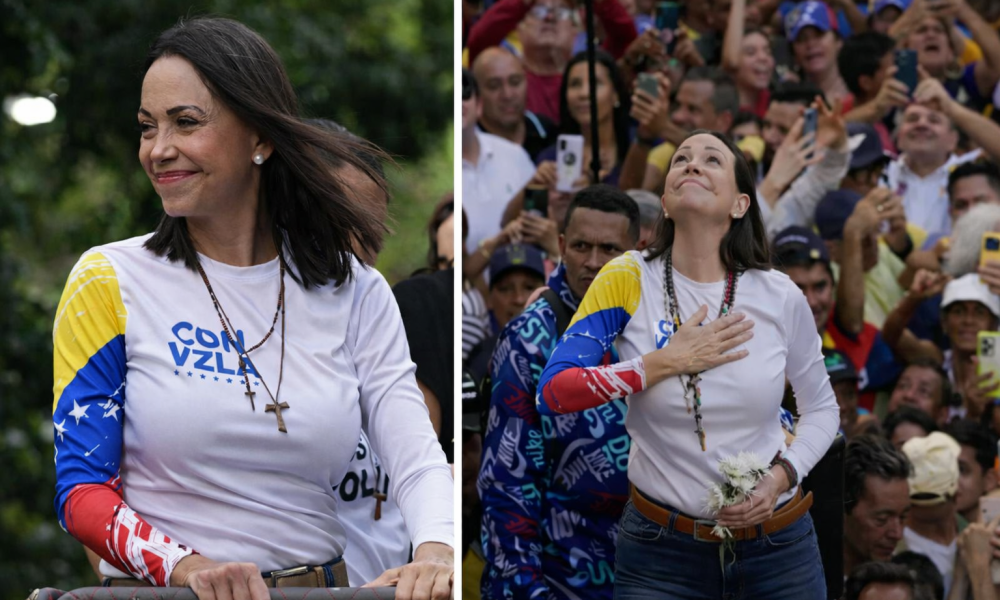
US strikes have already taken out important targets in Venezuela. Today, opposition leader María Corina Machado declares that Nicolás Maduro is now “removed” because of his refusal to sit down to discuss a peaceful transition. This marks the beginning of a historic political shift.
Table Of Content
- US Strikes on Venezuela: Key Overview
- What Happened: Timeline of the US Strikes
- María Corina Machado: Who She Is and Why Her Voice Matters
- Maduro’s Refusal to Negotiate Explained
- Trump Claims Maduro Is in Custody: What We Know So Far
- How These Events Are Affecting Everyday Venezuelans Right Now
- International Reaction and Regional Risks
- Possible Next Scenarios for Venezuela
- What You Should Watch in the Next 72 Hours
- FAQ – US Strikes on Venezuela & María Corina’s Statement
- Conclusion
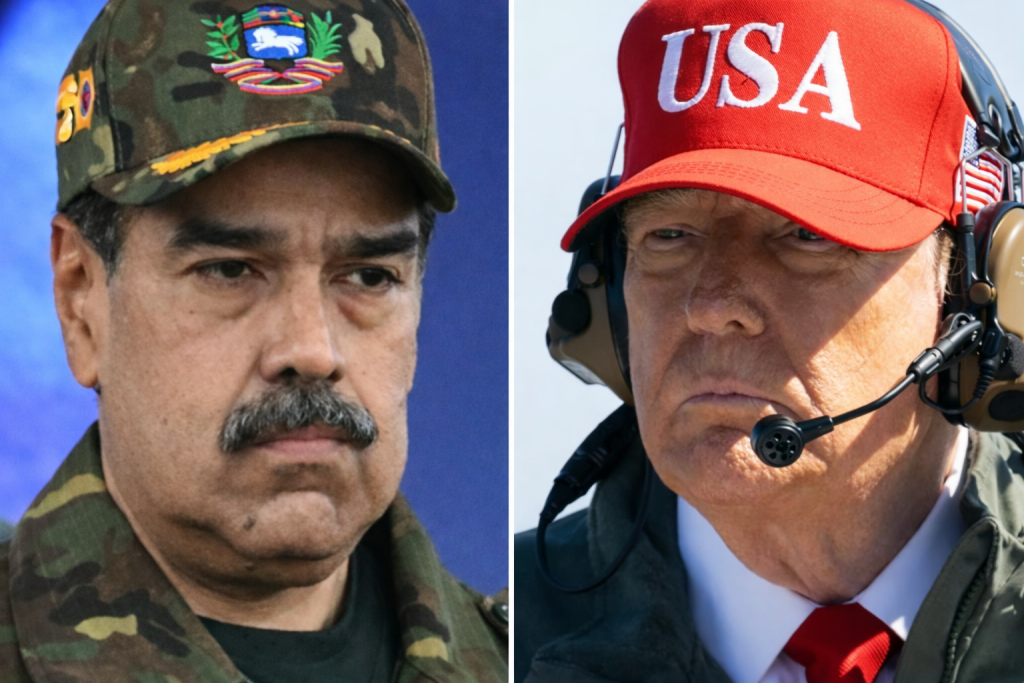
The US has launched airstrikes against several locations in Venezuela, and María Corina Machado is portraying Maduro as a leader who has been “removed” from power after refusing to engage in a negotiation over a democratic transition. The statement from Machado, coupled with US President Donald Trump’s assertion that Maduro has been caught and removed from Venezuela, has propelled Venezuela into a new and very dangerous era.
US Strikes on Venezuela: Key Overview
The United States has now confirmed air strikes/missile attacks against Venezuelan military bases and coastal areas in what has been widely termed a ‘dramatic escalation’ of the ‘sector-long dispute’ between the US and Venezuela.
However, leader of the opposition in Venezuela, María Corina Machado, is telling Venezuelans—and the world—the president has been ‘removed’ from office for refusing to negotiate his departure.
- Nationality: Venezuelan
- Important individuals involved: Nicolás Maduro, María Corina Machado, Donald Trump.
- Event: US missile strikes and alleged capture/transfer of Maduro.
- Core issue: Negotiation failure, contentious election result, and enforced shift in politics.
What Happened: Timeline of the US Strikes
Read also:WBP Constable Result 2025 OUT: Direct PDF Download Link, Merit List & Cut Off
There were explosions, lights flashing in the sky, and sirens in Caracas during the early stages of the US attack. The timeline below simplifies the process involved.
First report: There were initial warnings of possible US actions against Venezuela, citing security and political reasons.
Strikes begin: Cruise missiles and drones target radar sites, air defenses, and other military assets in and around Caracas and along the coastline.
First statements: “The United States takes this action in response to the pattern of behavior by the Government of Venezuela,” stated US President Barack Obama in his first statement regarding the military action against Venezuela. “The United States condemns the government of Venezuela for this attack against the
Preliminary reports are coming through of damage to military installations and some interruption of civilian life, though the figures are fluid and still being updated.
María Corina Machado: Who She Is and Why Her Voice Matters
María Corina Machado is a well-known opposition leader and one of the most visible faces of the anti-Maduro movement in Venezuela. She has made her mark in the Venezuelan politics scene through her advocacy of free elections and a complete separation from the authoritarian model represented by Maduro.
Recently, she has also reaffirmed that “Maduro must leave, negotiated or not,” making it clear that she preferred a non-violent and negotiated transition but that he was running out of time. In referencing “removed,” she is now making it clear that a non-negotiation by Maduro has led to a forced exit rather than a soft landing.
Maduro’s Refusal to Negotiate Explained
This crisis is the result of an election dispute and the inability to come to a political agreement.
- Contested vote: Opposition leaders and many foreign countries saw this vote, and the last under Maduro in particular, as neither free nor fair.
- Opposition’s demand: They called for conducting new elections or forming a transition period with the assurance of international guarantees.
- Maduro’s Response: Maduro refused such demands and considered himself a legitimate winner and refused to negotiate on basic issues such as resigning.
This tough stance foreclosed any possibility of a negotiated exit and emboldened figures such as María Corina to assert that “change would come with or without” consent.
Trump Claims Maduro Is in Custody: What We Know So Far
The American President Donald Trump has even taken steps further than just making statements about the attack, as President Trump claims Maduro has already been captured and airlifted out of Venezuela.
- US Claim:Trump administration officials assert that Maduro and his inner circle are currently in custody and may be charged criminally in the US.
- On the ground: “Some Venezuelan institutions continue to make declarations, but there is a confusing political situation because no one is really clear about who has power over the executive branch,” a source explained.
- Political framing: For María Corina and the opposition, these facts alone constitute enough to declare the end of Maduro’s reign and begin to speak of the transition.
Since information is spreading quickly, people are waiting for verification and confirmation regarding the whereabouts and legal status of President Maduro.
How These Events Are Affecting Everyday Venezuelans Right Now
Beyond the headlines, Venezuelans are worried about safety, access to basics, and what that portends for daily existence.
- Security: People describe fear, disrupted movement in Caracas and other cities and worries of more strikes or clashes.
- The Essentials: Damage to infrastructure and supply chains could exacerbate existing food, fuel, and medicine challenges.
- Mood: While some neighborhoods celebrate what many see as the end of dictatorship, others fear deeper instability and foreign occupation.
For many, the hope is that this shock will result in a true transition, instead of just another lengthy chapter filled with chaos.
International Reaction and Regional Risks
The strikes have elicited fast and sharply disparate responses in the whole of Latin America.
- Regional governments: There are nations that support attempts to oust Maduro and opposition leader support, while others are critical of the US for breaching sovereignty.
- Global powers: World capitals are discussing the attack on diplomatic platforms and could raise the issue with the United Nations Security Council.
- Risk of Spillover: Adjoining countries have concerns regarding border disputes, refugee movements, as well as being dragged into a larger conflict.
These reactions will help determine the extent to which any new Venezuelan government can be viewed as legitimate in Caracas.
Possible Next Scenarios for Venezuela
“At this point, there are several possible avenues that may be explored, but none are assured.”
- Scenario 1: Negotiated transition after the strikes:The old ruling elite, opposition, and military establishment had a common goal of setting up a transitional body which should oversee a new round of elections, supervised by international observations.
- Scenario 2 – Internal struggle for power:Various groups within the ex-regime or security organs may vie for control of the process of transition.
- Scenario 3 – Long term crisis under foreign occupation:”Foreign military intervention combined with a lack of institutions could lock in a long Venezuelan crisis with no clear center of power.”
Which politics will prevail will be determined by how soon the important players can agree on a road map and eschew violence.
What You Should Watch in the Next 72 Hours
- The next few days are crucial as far as following the story intelligently is concerned.
- He is the one claiming leadership on national TV or official channels.
- How the security forces act: remain united, split, or back a transitional authority.
- Which governments recognize a new authority in Caracas and what they say about elections.
- Whether major city protests or clashes occur, or streets are relatively quiet.
Relying on established news outlets, multilateral organizations, and known local journalists is the safest way to cut through misinformation.
FAQ – US Strikes on Venezuela & María Corina’s Statement
1. Why did the United States launch strikes on Venezuela now?
US officials say the strikes aim to neutralize security threats linked to Maduro’s government and respond to the disputed election and ongoing political crisis.
2. What does María Corina Machado mean by saying Maduro is “removed”?
She is declaring that his rule is over in political and moral terms, presenting his loss of power as a forced end after he refused to negotiate a transition.
3. Is it fully confirmed that Maduro has been captured?
Trump and some US sources claim he has been captured and flown out, but observers are still watching for independent confirmation and clear legal details.
4. Why was Maduro refusing to negotiate before the strikes?
He rejected opposition demands linked to the disputed election, insisting on the legitimacy of his rule and refusing deals that involved stepping down with guarantees.
5. Could these strikes lead to a wider regional conflict?
There is concern that foreign military action could spark tensions, proxy clashes or border incidents, so many governments are calling for de‑escalation and diplomacy.
6. How do the strikes affect ordinary Venezuelans?
They deepen uncertainty about safety and access to essentials, but some also see them as an opportunity for political change and a future recovery.
7. Will there be new elections in Venezuela?
Many opposition leaders and foreign governments want new, monitored elections, but timing and rules will depend on any transitional arrangement that emerges.
8. What role can María Corina Machado play now?
As the most visible opposition figure, she is likely to be central in any transition, whether as a candidate, negotiator or architect of reforms.
9. How are other countries reacting to the US action?
Some support it and back the opposition; others criticize the US and stress respect for sovereignty and international law.
10. Where can I follow reliable updates?
Stick to major international outlets, serious regional media, multilateral organizations and verified local journalists, and treat viral clips with caution.
Conclusion:
Venezuela has moved in just days from a tense standoff to US strikes, claims of Maduro’s capture and María Corina Machado declaring him “removed” after he refused to negotiate, turning a long‑running crisis into a decisive and dangerous turning point. Whether this moment leads to a negotiated transition with new elections or slides into a deeper power struggle will depend on how fast key actors inside Venezuela and abroad can agree on a clear roadmap that prioritizes stability, democratic norms and relief for ordinary people.So, what do you think? Let me know in the comments. And if you found this article helpful, share it with your friends.“War does not determine who is right only who is left” for more subscribe newssy.in





No Comment! Be the first one.